A meningitis outbreak should be of particular concern to those living with aHUS.
A recent outbreak in the UK was described by the media as a “CRISIS”.
It was a student outbreak at university in the south of England. It became known when two students died of the disease.
Student meningococcal infection is the most common yet rare form of the disease.
The University of Kent outbreak began two weeks ago. Ground zero for the start of it all was a night club in Canterbury. Those present were in very close contact with a carrier in a confined space. Young students altogether.
A UK health agency has described the spread of the disease as unprecedented and explosive in speed.
The risk has always been there. Most people have bacteria in their nostrils.
Symptoms began to appear in those infected within five days. It took another three days for the health authorities to confirm the first case and make it official. Many more ripple out infections would happen in that time.
Prophylactic antibiotic was now being given to contacts of the first patient.
The next day the French Authorities notify a case. Kent is the gateway to France from the UK.
Hospitals in the UK are reporting more than ten cases and by now several hundred antibiotics doses had been given.
A 21 year old university student and an 18 year old local school pupil had now died. With 10 days of the start.
Antibiotics were now being given to all the university’s students.
Almost two weeks on and the strain is identified as serotype B. Vaccinations begin for the 5000 students at the university.
Cases continue to grow. It become a national crisis in the media. 10,000 people are on antibiotics and half the students have been vaccinated.
Over two weeks on and the outbreak has probably peaked and may start petering out. Though there will likely be sporadic cases elsewhere in the UK as a result.
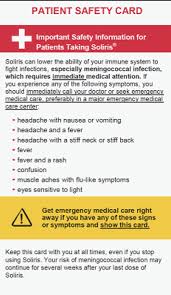
aHUS patients are fully vaccinated and on prophylactic antibiotics. They should be aware of the risk of meningococcal infections at the moment even if the national health authorities have not alerted them specifically.
The media have made it a top news despite other events in the world.
It is not just aHUS patients who are on complement inhibitors, others are too. Complement inhibitor users are at more risk of meningococcal infections than students. Any aHUS students should be doubly aware.
These events show how aHUS patients need continued vigilance
It is why Global Action has a continuous warning banner on the top of the home page of its website and have several articles about recognising the disease and some with advice from those aHUS patients who have known it,
Article No. 788
Meningococcal Infection – Symptoms
Complement Inhibitor users are the group at most risk of meningococcal infection according to the Centre for Disease Control in the USA. Some of those complement inhibitor users are aHUS…
Continue ReadingMeningococcal Infection – Symptoms
aHUS meningococcal infection – vigilance essential
All aHUS patients know that when on complement inhibitor treatment they are at risk of meningococcal infection. Do they? Of course, they are told about it before they get treatment.…
Continue ReadingaHUS meningococcal infection – vigilance essential
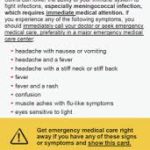
Some side effect- Meningococcal infection!
The side effects of treatment and residual ailments of an aHUS onset featured highly by aHUS families in the contribution to the aHUS Patients Research Agenda. The topic is covered…
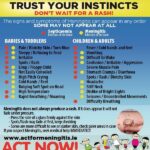
MENINGOCOCCAL INFECTION – JAAC’s STORY
aHUS patient Jaac and his mother Ria are from the UK. Ria spoke to Global Action about her son’s meningococcal infection encounter. Global Action: Hi Ria when did Jaac become…
Complement inhibitor users it’s World Meningitis Day
It is important that those using complement inhibitors remain alert to meningococcal infection a life threatening side effect of their use. In the USA around 5 users of complement inhibitors…